10 Best Practice Data Migration Steps for 2026
|
6
min read

You're probably in the middle of the part everyone underestimates. The target platform is ready, stakeholders want dates, and someone keeps saying the migration is “just a transfer.” Meanwhile, you already know actual risks aren't abstract. A bad cutover can leave duplicate customers in billing, null fields in regulatory reports, and broken dashboards that nobody notices until executives start asking why yesterday's numbers disappeared.
That pressure is justified. Data migration projects fail in predictable ways when teams rush past data quality, dependency mapping, testing, and post-cutover monitoring. According to DataQualityPro's discussion of data quality for migration, 84% of data migration projects overrun their allocated time or budget. Monte Carlo also cites an Experian study where 64% of analyzed migration projects went over budget, and only 46% were delivered on time in its data migration risks checklist. Those figures match what experienced teams already see in practice. Migrations go sideways long before the final copy job starts.
A modern best practice data migration plan treats observability as part of execution, not a cleanup layer after go-live. That means validating records before they land, tracking schema changes as they happen, watching whether data arrives on time, and surfacing anomalies before business users find them first. digna fits naturally into that operating model because it combines anomaly detection, timeliness monitoring, validation, and schema tracking in the customer environment.
The 10 steps below are built for technical teams that need a migration plan they can run.
Table of Contents
4. Monitor Data Timeliness and Arrival Patterns During Migration
8. Establish Governance, Ownership, and Communication Framework
9. Plan for Post-Migration Monitoring and Ongoing Data Observability
10. Document Lessons Learned and Build Reusable Migration Frameworks
1. Establish a Comprehensive Data Audit and Assessment
The fastest way to sabotage a migration is to start mapping fields before you understand the source data. Best practice data migration starts with a full audit of structure, quality, dependency chains, and business rules. You need to know where duplicates live, which fields are overloaded with multiple meanings, which tables drive downstream reports, and which “optional” columns are mandatory in practice.
A financial services team might discover duplicate account records that require deterministic deduplication before customer histories can merge cleanly. A healthcare organization often finds mandatory clinical fields missing in older records, which means ETL rules have to fill, reject, or quarantine records before cutover. Telecom migrations regularly expose regional schema drift, where the same customer attribute uses different data types across systems.
Profile the source before you map anything
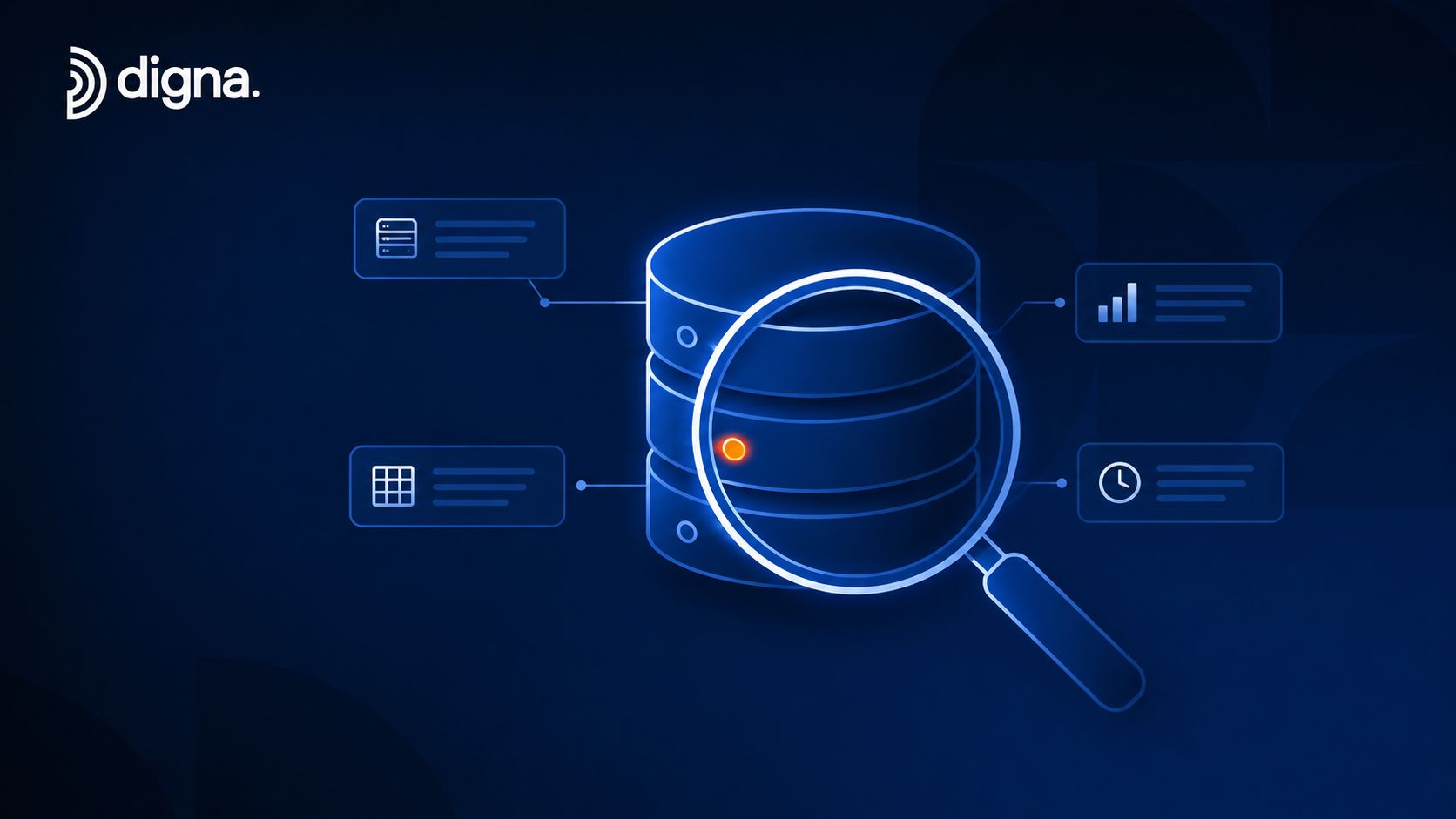
Automated profiling is the only practical way to do this at scale. digna Data Validation, Schema Tracker, and Data Analytics help teams baseline null rates, distributions, cardinality shifts, and structural inconsistencies before migration logic is finalized.
Profile fields at the column level: Check null patterns, duplicate rates, type inconsistencies, and outlier values before any transformation logic is approved.
Map real dependencies: Inventory downstream dashboards, machine learning features, exports, and regulatory reports tied to each source object.
Document exceptions explicitly: If a patient identifier can be blank in one legacy workflow but not another, that exception belongs in the migration spec, not in someone's memory.
Prioritize hot spots: Build heat maps of the dirtiest domains so the team fixes high-risk data first.
Practical rule: Audit first, transform second. If the team can't describe the current state clearly, it can't migrate it safely.
2. Define Clear Data Quality Criteria and Validation Rules
Teams often say they care about quality, then discover at go-live that nobody agreed on what “valid” means. That's avoidable. A migration needs explicit acceptance criteria for completeness, conformity, business logic, and auditability before the first production wave starts.
This matters even more in regulated environments. Olahht is cited in the background research as assuming broad vendor access, but many finance and healthcare teams won't allow that model. The verified research also notes that 62% of migration projects fail due to silent data quality issues undetected by post-migration checksums alone, as summarized in the healthcare data migration planning discussion from Olahht. That's why record-level rules matter more than checksum-only validation.
Write rules that can block bad data
A financial institution may require KYC attributes to be present and internally consistent before account records move. A healthcare system may enforce valid diagnosis coding and quarantine legacy mappings that don't match current standards. A telecom provider may validate mobile number formats and service-plan compatibility before provisioning data reaches the target.
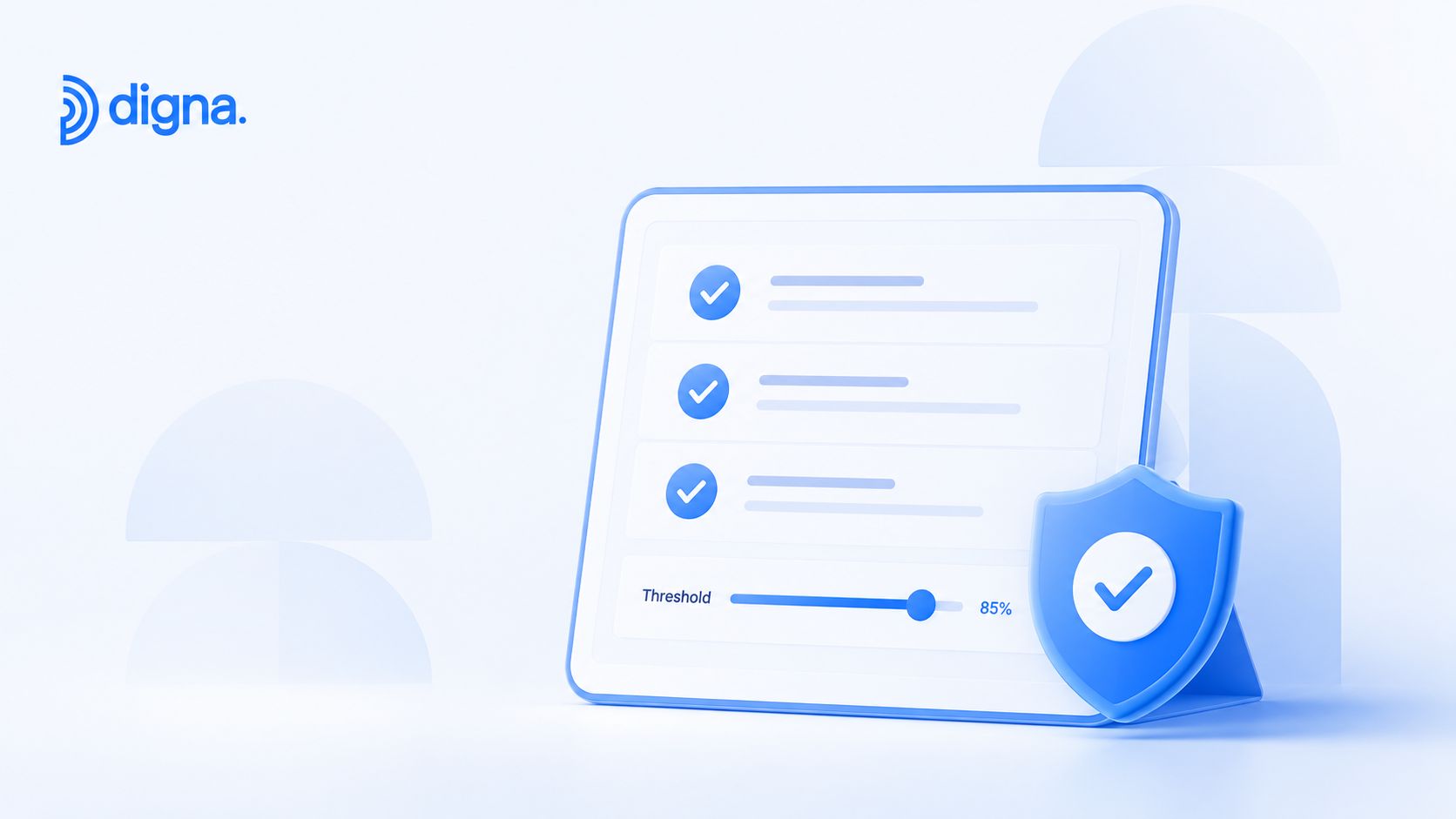
digna's data validation during migrations best practices approach fits here because it supports in-database, record-level checks without handing production data to an outside vendor.
Separate blocking and warning rules: Missing legal entity identifiers may block a wave. Cosmetic format issues may log warnings for later cleanup.
Tie each rule to business logic: “Email must be present” is weak. “Notification workflow fails without email” is operationally useful.
Version-control the rule set: Teams change thresholds during testing. Keep those changes visible and attributable.
Validate inside the customer environment: That's often the only workable pattern when privacy, residency, or audit requirements limit data exposure.
3. Implement Incremental and Phased Migration Approach
Friday cutover. Customer records move first, billing follows, and by Monday morning support can see accounts that finance cannot invoice. That failure pattern is common in big-bang migrations because one release bundles every dependency, every transformation, and every rollback decision into a single event.
A phased approach breaks that risk into controlled waves. The split should follow operational boundaries that teams can validate and support, such as region, business unit, application, or data domain. A global bank might migrate customer master data country by country so local regulatory fields, consent flags, and downstream reports are checked before the next wave starts. A healthcare network might move one hospital group at a time to catch terminology mapping issues in a contained setting. A telecom provider might separate mobile, broadband, and TV so each team can test its own service logic without inheriting every other team's defects.
The point is not only a smaller blast radius. Each wave gives the program new evidence.
Design waves to produce decisions, not just progress
Teams get the most value from phased migration when every wave has a clear purpose. A pilot wave should answer specific questions: Do transformation rules hold up against real edge cases? Can the team reconcile source and target counts at the required grain? How long does rollback take under load? If a wave does not answer those questions, it is only partial cutover, not meaningful risk reduction.
A practical wave plan usually includes:
A low-risk pilot with realistic complexity: Choose data that matters enough to expose real issues, but not so business-critical that one defect stalls the whole program.
Explicit entry criteria: Source extracts approved, mappings frozen for the wave, validation rules active, and business owners available for signoff.
Explicit exit criteria: Reconciliation complete, defect thresholds met, target performance acceptable, and rollback no longer required.
Runbooks with tested rollback paths: Document who makes the go or no-go call, what gets reversed, and how long recovery takes.
Wave-level observability: Track validation failures, load duration, anomaly rates, and data freshness after each move.
digna adds measurable control rather than another dashboard. During a phased migration, teams can use it to baseline normal row counts, freshness patterns, null rates, and field distributions for each domain, then compare the next wave against that baseline. That helps catch the problems that standard row-count checks miss, such as a region loading on time but with a sudden drop in populated tax fields, or a hospital feed arriving with clinically valid codes concentrated in the wrong department.
Phased execution also improves team behavior. It forces product owners, platform engineers, and data teams to make release decisions from observed results instead of calendar pressure. After two or three waves, patterns become visible. Certain mappings fail every time. Certain source systems always arrive late. Certain domains need longer reconciliation windows. Those lessons are easier to act on when the migration plan is built to pause, fix, and repeat.
4. Monitor Data Timeliness and Arrival Patterns During Migration
Most migration plans validate whether data arrived. Fewer validate whether it arrived when downstream systems expect it. That blind spot causes stale dashboards, delayed reports, and batch windows that drift unnoticed until users lose confidence.
The verified research highlights this gap directly. It notes that existing content focuses on transfer accuracy but often misses timeliness validation, and cites a Reddit data engineering discussion about migration failures and downstream incompatibilities when discussing post-cutover issues. That aligns with what migration teams see in practice. A job can finish “successfully” and still break decision-making if it lands late.
Late data breaks trust faster than missing rows
A financial services team might notice end-of-day balances now arrive after reporting jobs start. A healthcare organization might find lab results loading inconsistently after cutover, leaving clinicians with incomplete views. A retail operation might see inventory feeds miss freshness expectations at the point of sale.
digna Timeliness is useful here because it learns arrival patterns and expected delivery windows instead of relying only on hard-coded schedules.
Data timeliness is a migration success metric, not a post-go-live convenience.
A workable setup usually includes:
Parallel-run baselines: Measure old and new arrival patterns side by side before full cutover.
Segmented expectations: Month-end, weekends, and seasonal periods often behave differently.
Severity levels: A short delay may trigger investigation. A missed critical feed should page an owner immediately.
Shared dashboards: Business stakeholders should see the same timeliness view as engineers during active migration windows.
5. Execute Parallel Run and Reconciliation Testing
Cutovers fail when teams compare only high-level totals and assume the details are fine. Parallel run testing fixes that by keeping source and target active long enough to compare outputs under real operating conditions. It's one of the most reliable controls in any best practice data migration plan.
Issues that passed unit tests usually surface. An insurance team may find policies migrated without a slice of claims history. A manufacturing company may spot invoice totals that reconcile globally but allocate costs incorrectly at the line level. A trading platform may show matching position counts while exposing subtle differences in valuation logic.
Reconcile behavior, not just row counts
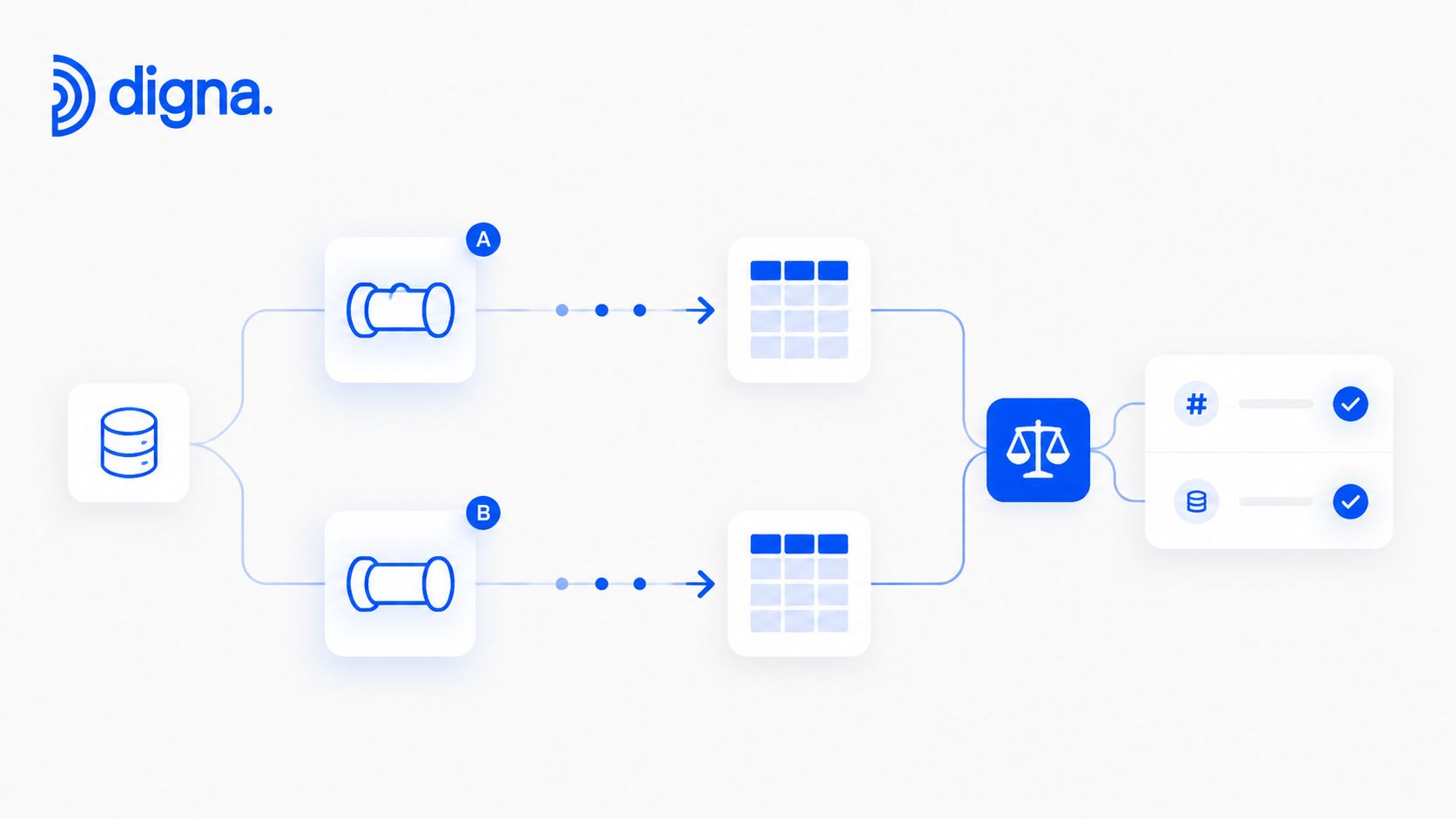
The strongest reconciliation plans compare multiple layers at once. Row counts matter, but they're the start, not the finish. Aggregate values, checksums, join integrity, and record-level assertions all belong in the reconciliation suite.
Automate every repeatable check: Manual spot checking has value, but scripted reconciliation catches drift consistently.
Prioritize business-critical entities: Reconcile customers, balances, policies, trades, patients, or invoices before lower-impact reference data.
Run checks at multiple stages: Compare before cutover, during cutover, and after production traffic begins.
Investigate low-volume variances: Small mismatches often expose broken business logic, not harmless noise.
digna Data Anomalies adds another layer here. It can flag unexpected patterns in reconciliation outputs that pass simple threshold checks, which is useful when the problem is distributional rather than binary.
6. Establish Schema Change Management and Documentation
Teams usually document the planned mapping. They often fail to track the changes that happen during the migration window itself. That's where downstream failures begin. A renamed column, widened type, removed default, or altered enum can break transformations, reports, feature pipelines, and API contracts without throwing an obvious migration error.
Schema documentation needs to be active, not static. A healthcare team may discover unmapped demographic fields before cutover and prevent silent loss of clinical context. A retailer may catch a discount_type field changing shape during migration and update validation before downstream pricing logic breaks. A financial services firm may use schema mapping reviews to prove every required KYC field landed in the right target structure.
Treat mappings as production artifacts
The market for migration work is getting larger, not simpler. The global data migration market is projected to grow from USD 14.67 billion in 2026 to USD 48.33 billion by 2035, according to DataM Intelligence's data migration market report. That scale is another reason to treat schema control like engineering discipline, not project paperwork.
Build side-by-side mapping specs: Include source type, target type, transformation rule, nullability, and owner approval.
Track every structural change: digna Schema Tracker can flag added or removed columns and type modifications automatically.
Require approvals during the migration window: Emergency changes still need named owners and documented rationale.
Tell downstream consumers early: Report owners, ML teams, and integration owners need notice before fields change shape.
If your team also works heavily in Snowflake environments, a directory of Top Snowflake consulting firms can help when you need external implementation support on platform-specific migration work.
7. Implement Data Anomaly Detection and Baseline Learning
Hard-coded thresholds catch obvious failures. They miss the weird stuff. That's why anomaly detection belongs in migration work, especially when data distributions change subtly after a move.
A migration can preserve every row and still distort the business signal. Currency conversion logic can shift transaction values. Join behavior can alter customer churn calculations. Historical backfills can reshape seasonal patterns enough to confuse downstream models and reports.
Learn normal before cutover
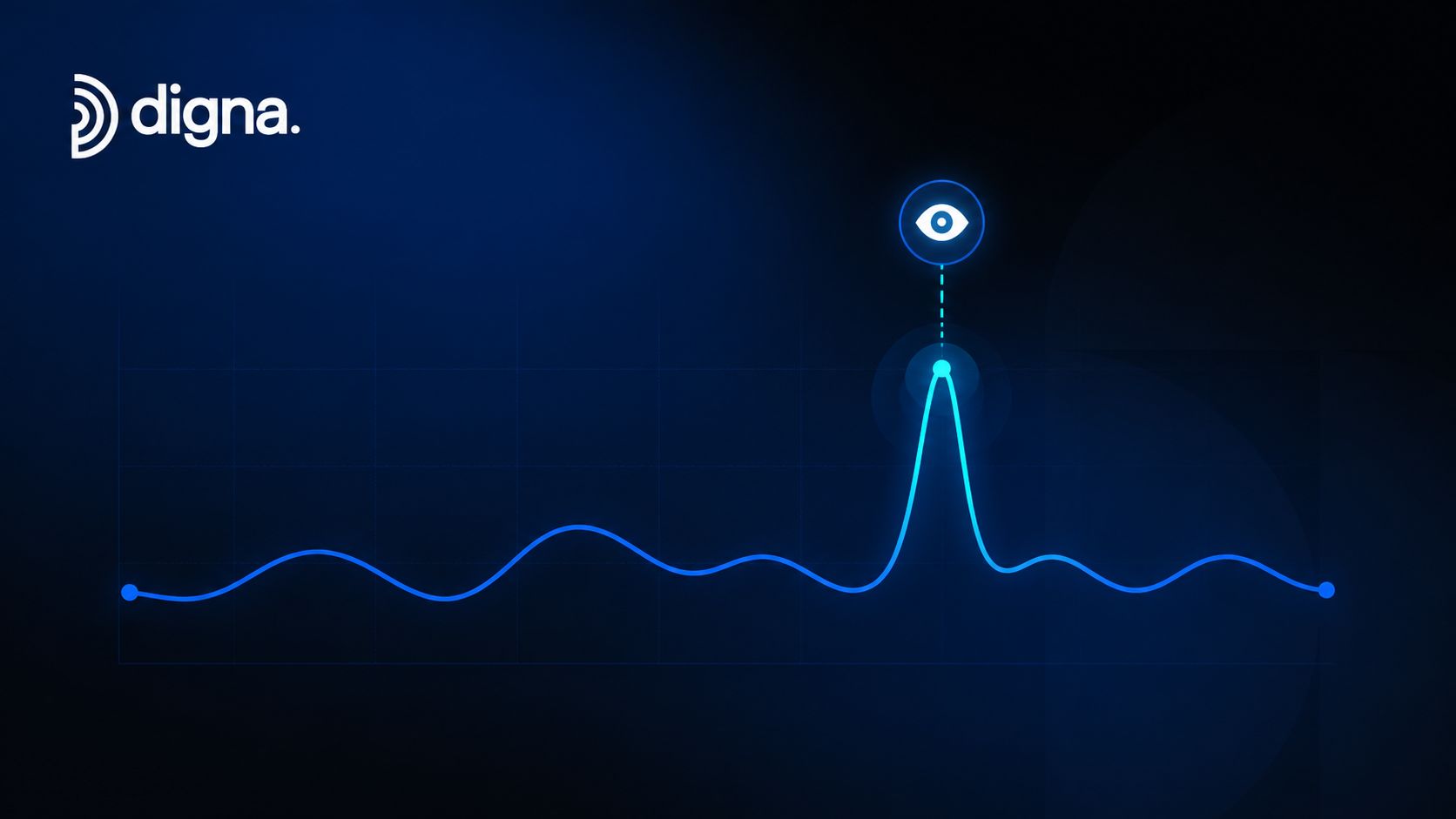
The most useful anomaly detection starts before migration. digna Data Anomalies learns baseline behavior over time, then highlights changes that deserve attention without requiring the team to handcraft every rule.
A practical pattern looks like this:
Baseline source behavior first: Start learning normal distributions, null rates, and volume patterns before the first migration wave.
Continue through parallel run: This lets the team compare old and new system behavior under the same operating conditions.
Segment where behavior differs: Regional, product, or channel-specific baselines produce better signals than one global average.
Correlate anomalies with pipeline events: Most useful alerts tie back to a deployment, mapping change, or batch window shift.
digna's AI-driven data migration quality tools overview is relevant here because it reflects how baseline learning and automated detection reduce the manual burden on engineering teams.
If a metric still looks “valid” but behaves differently than it used to, investigate it before users build reports on top of it.
8. Establish Governance, Ownership, and Communication Framework
Migration programs don't stall only because of technical errors. They stall because nobody knows who can approve a rule change, who owns a failed wave, or who makes the rollback decision when pressure spikes. Governance fixes that.
The operational pattern that works is simple. Every domain gets a named owner. Every quality rule gets a business rationale. Every incident gets an escalation path. A bank might run a steering group with finance, compliance, risk, and engineering reviewing digna quality dashboards together. A healthcare organization may pair a clinical steward with a technical steward for each department so business meaning and technical implementation stay aligned. A retailer may assign domain owners to customer, inventory, and pricing data with explicit cutover authority.
Decision rights matter more than status meetings
A governance framework should answer these questions before execution begins:
Who approves cutover: One person or committee, with defined success criteria.
Who approves remediation: The team needs authority to quarantine, fix, or defer bad records.
Who owns rollback: This decision can't wait for an ad hoc executive thread.
Who signs off on schema changes: Downstream owners need a formal path into that decision.
Industry guidance summarized in the verified data also emphasizes Go or No-Go gates and version-controlled logs tied to specific owners in Streamkap's migration best practices write-up. That maps well to real projects. Clear ownership shortens incident response and reduces political delays.
For teams that also need privacy-first utility tooling around migration prep and file handling, a desktop app for local file conversion can support adjacent workflows without moving sensitive content into unmanaged environments.
9. Plan for Post-Migration Monitoring and Ongoing Data Observability
A migration isn't successful because cutover night was quiet. It's successful when the data stays complete, timely, structurally stable, and trusted after production usage ramps up. At this critical juncture, many projects lose control.
One of the most undercovered issues in migration content is what happens several weeks later. Dashboards break after the first unusual load pattern. Machine learning features drift when a field changes semantics. Analysts lose trust because reports are late, not because rows are missing. That's why post-migration observability should be designed before go-live, not after support tickets arrive.
Go-live starts the real test
A useful post-migration plan includes quality metrics, timeliness alerts, schema drift monitoring, anomaly baselines, and clear SLO ownership by domain. digna is well suited to this model because it combines Data Anomalies, Timeliness, Data Validation, Schema Tracker, and historical analytics in one platform running in the customer-controlled environment.
Consider a few common post-cutover scenarios:
Financial services: A shared dashboard shows validation failures, schema changes, and late-arriving positions in one place instead of relying on manual morning checks.
Healthcare: Clinical informatics monitors patient-record completeness and freshness so care teams don't discover gaps during operations.
Telecom: Billing owners watch data quality and load timing together because an accurate feed that lands too late still affects invoicing.
The strongest teams define role-specific views. Engineers need failing checks and incident context. Analysts need freshness and field availability. Executives need a compact operational health summary, not raw logs.
10. Document Lessons Learned and Build Reusable Migration Frameworks
Every migration teaches the team something expensive. If that lesson stays in a chat thread or in one engineer's memory, the next migration pays for it again. The mature move is to convert execution knowledge into reusable assets.
That means runbooks, mapping templates, rule libraries, rollback procedures, exception catalogs, and troubleshooting notes. A technology company might turn a warehouse migration into a standard playbook for the next platform move. A financial institution can preserve a library of validation rules for regulated fields. A healthcare system can standardize schema mapping patterns for clinical data across regional integrations.
Turn one migration into a repeatable system
Retrospectives work best when they're specific and slightly uncomfortable. Ask where the team guessed. Ask which checks should've existed earlier. Ask which approval paths slowed the response. Keep both wins and failures.
Hold the retrospective while details are fresh: Don't wait until everyone's on the next project.
Capture concrete artifacts: Save the final runbook, mapping spec, reconciliation queries, and validation definitions.
Create reusable templates: Common domain rules and schema patterns shouldn't start from zero each time.
Build a troubleshooting FAQ: Future teams will hit the same null-handling, ordering, and dependency issues.
The point of best practice data migration isn't only getting through one cutover. It's building an organizational system that makes the next one less fragile.
10-Point Data Migration Best-Practices Comparison
Practice | 🔄 Implementation Complexity | ⚡ Resource Requirements | 📊 Expected Outcomes | ⭐ Key Advantages & Ideal Use Cases | 💡 Tips |
|---|---|---|---|---|---|
Establish a Comprehensive Data Audit and Assessment | High, extensive profiling and cross-team discovery | Moderate–High, profiling tools, data engineers, domain SMEs, time | Clear data inventory, identified anomalies, migration specifications | Prevents quality issues from propagating; ideal for large legacy or undocumented systems | Use automated profiling, engage stakeholders early, create data quality heat maps |
Define Clear Data Quality Criteria and Validation Rules | Medium–High, requires domain alignment and rule design | Medium, domain experts, validation framework, test data | Objective acceptance criteria; fewer rejects after cutover | Ensures compliance and consistent enforcement; ideal for regulated industries | Start with critical rules, use staged blocking vs warning, document business rationale |
Implement Incremental and Phased Migration Approach | Medium, planning waves and dependencies | Medium, parallel teams, rollback planning, monitoring | Reduced blast radius, iterative process improvements | Limits risk for large-scale migrations; ideal for multi-region or multi-product moves | Prioritize by criticality, run pilots, establish clear entry/exit criteria and runbooks |
Monitor Data Timeliness and Arrival Patterns During Migration | Low–Medium, baseline learning and alerting setup | Low–Medium, observability tooling, time to learn baselines | Detects delayed loads, supports SLA tracking and root-cause | Prevents stale dashboards; ideal when downstream SLAs matter | Learn baselines during parallel runs, segment by pattern (day/week/month), set escalation levels |
Execute Parallel Run and Reconciliation Testing | High, concurrent operations and complex reconciliation logic | High, compute for comparisons, automated scripts, ops support | Objective validation of completeness and consistency before cutover | Provides strong audit evidence; ideal for transactional/financial systems | Automate reconciliation, set tolerance thresholds, run checks pre/during/post cutover |
Establish Schema Change Management and Documentation | Medium, mapping, versioning, and impact analysis | Medium, documentation effort, schema-tracking tools | Reduced pipeline breakages and clearer change history | Detects structural drift; ideal for warehouse migrations and evolving data models | Maintain side-by-side mappings, use schema tracker, require approvals for changes |
Implement Data Anomaly Detection and Baseline Learning | Medium, requires stabilization and tuning | Medium, AI/ML tooling, historical data, monitoring | Detects subtle degradations and emerging trends beyond static rules | Useful where patterns are complex; ideal for variable distributions and large datasets | Start baseline learning 4–6 weeks prior, segment partitions, correlate alerts with events |
Establish Governance, Ownership, and Communication Framework | Medium, defining RACI and regular cadences | Low–Medium, meetings, governance roles, executive buy-in | Clear accountability, faster decisions, audited approvals | Prevents ambiguity across teams; ideal for cross-functional enterprise projects | Define decision rights, set weekly syncs during migration, surface metrics in governance meetings |
Plan for Post-Migration Monitoring and Ongoing Data Observability | Medium, unified dashboards and alerting strategy | Medium–High, observability platform, alerting, on-call rotations | Early detection of drift, reduced time-to-resolution, sustained SLA compliance | Ensures long-term data health; ideal when continuous reliability is required | Define SLOs, create role-specific dashboards, tune alerts to avoid fatigue |
Document Lessons Learned and Build Reusable Migration Frameworks | Low–Medium, structured retrospectives and templates | Low, time for retros, documentation, knowledge base | Faster future migrations, reduced repeat errors, institutional knowledge | Multiplies value across migrations; ideal for organizations with repeated projects | Conduct retros 1–2 weeks post-migration, capture successes and failures, build reusable playbooks |
Your Migration Is Just the Beginning
A successful migration doesn't end when the last dataset lands in the target platform. It changes the operating model around your data. If your team has done this well, you haven't solely copied records from one place to another. You've clarified ownership, cleaned up hidden quality debt, exposed schema assumptions, and built monitoring that keeps the new platform trustworthy under real production conditions.
That distinction matters because the most damaging migration problems often show up after the project team is supposed to be “done.” Late loads create stale reports. Quiet schema drift breaks joins and feature pipelines. Business-rule gaps slip past row-count checks and surface later in finance, customer operations, or compliance workflows. Teams that only validate at cutover night usually spend the following weeks reacting to avoidable incidents.
The best migration programs treat observability as part of delivery. They validate records before and after transfer. They compare source and target behavior during parallel run. They monitor arrival patterns, not just technical completion states. They track schema changes continuously and investigate anomalies against a learned baseline. This is the practical shift from a one-time project mindset to an ongoing reliability mindset.
That approach also scales better as migration demand rises. Enterprise estates aren't getting simpler. Data platforms now feed analytics, operational applications, machine learning systems, and external reporting at the same time. A migration that succeeds technically but weakens trust in those downstream uses is still a failed business outcome. Strong monitoring closes that gap because it gives engineers and stakeholders a shared view of data health after the move.
For regulated teams, the operational model matters as much as the tooling. Many organizations can't allow vendors direct access to production datasets, which makes in-database validation and customer-controlled deployment important design choices, not implementation details. Running checks where the data already lives reduces data movement and helps teams preserve privacy, residency, and audit boundaries while still getting meaningful visibility.
digna is one relevant option in that model. Its platform combines anomaly detection, timeliness monitoring, record-level validation, schema tracking, and historical analytics, and it runs inside customer-controlled environments without vendor access to production datasets. That combination is useful when migration teams want a single operational layer instead of stitching together separate quality and observability tools.
The practical takeaway is simple. Don't measure migration success only by whether the data moved. Measure whether the data remained complete, timely, valid, structurally stable, and trusted after business usage resumed. If your plan covers those outcomes, you're not hoping the migration worked. You're operating with evidence.
If you're planning a migration and want stronger control over validation, timeliness, schema changes, and anomaly detection without exposing production data, digna is worth evaluating.