Decoding Data Lineage: Best Practices for Modern Businesses
|
5
min di lettura
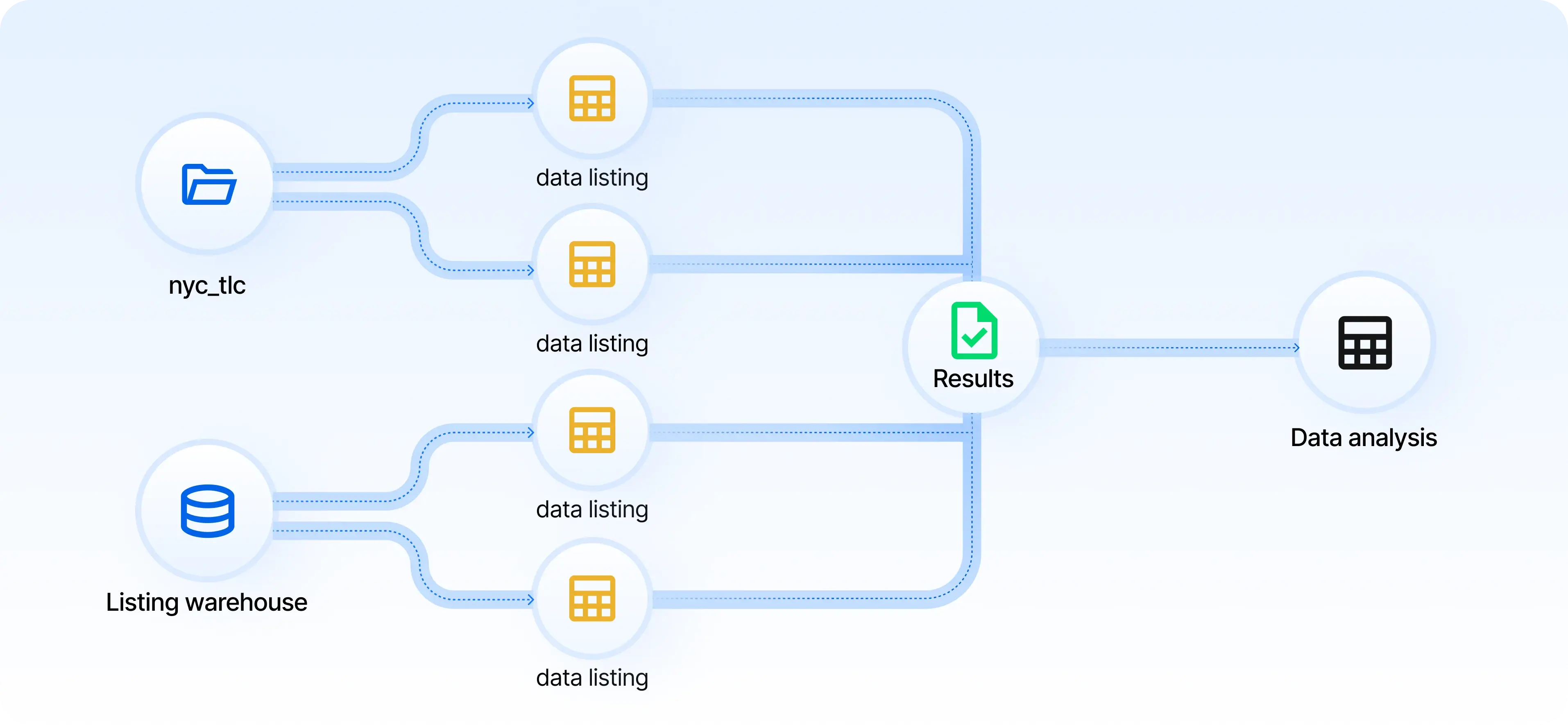
Where do your data come from? What is the source? These aren't mere questions for businesses leveraging sophisticated business intelligence (BI) platforms. Maintaining the integrity and transparency of data is crucial, and understanding its journey is paramount. This journey, from its origin to its destination, is known as data lineage. In this article, we explore the intricacies of data lineage, the differences from related concepts like data flow and data mapping, and best practices for leveraging this knowledge in business intelligence (BI) platforms.
What is Data Lineage?
Data lineage refers to the life cycle of data, tracing its journey from its origins to its final form, including all the processes it undergoes along the way. It captures the data's origin, movements, transformations, and eventual destination.
This tracking is vital for diagnosing errors, understanding information dependencies, conducting audits, and complying with regulations. By making the data’s journey visible, businesses can ensure consistency, accuracy, and trust in their data assets. This empowers data users to answer critical questions:
What raw data sources contributed to this specific insight?
What transformations did the data undergo?
Who is accountable for the data's quality at each stage?
Understanding the Data Lineage Landscape
There are two main types of data lineage to consider Technical Data Lineage and Business Data Lineage:
Technical Lineage: This dives deep into the technical details – the specific transformations, tools, and code used to manipulate the data. Think of it as the engineer's blueprint for the data journey.
Business Lineage: Here, the focus shifts to the business context. This lineage explains the meaning and purpose behind the data transformations, aligning the data journey with specific business goals. It's the story behind the data, told in business terms.
Examples of Data Lineage Tools and Techniques
Data lineage can be captured and managed using various tools and techniques, including:
Metadata Management Tools
These tools automatically track data lineage by capturing metadata from different systems and processes. Examples include Apache Atlas and Informatica.
ETL (Extract, Transform, Load) Tools
These tools inherently track data movements and transformations as part of their process. Examples include Talend and Microsoft SQL Server Integration Services (SSIS).
Custom Scripting and Logging
Organizations can develop custom scripts and logging mechanisms to manually track data lineage.
Some common approaches for mapping data lineage are;
Data Catalogs: These centralized repositories store metadata, including information about data lineage.
Lineage Discovery Tools: These automated tools crawl data pipelines, uncovering the lineage automatically.
Manual Documentation: While laborious, some organizations maintain manual records of data lineage.
Data Lineage vs. Data Flow: Understanding the Difference
Data lineage goes beyond a simple data flow diagram. While data flow shows how data moves between systems focusing on the path data takes from source to destination, data lineage adds the crucial element of history. It reveals not just the current flow, but the entire transformation journeys the data has taken. While data flow provides a high-level view of data movement, data lineage offers a comprehensive and detailed map of the data's journey.
Data Lineage vs. Data Mapping
Data mapping involves creating relationships between data elements in different systems, typically for integration or transformation purposes. It focuses on matching data fields and ensuring data consistency across systems. Data lineage goes beyond mapping by tracking the entire lifecycle of data, including its transformations, origins, and destinations. While data mapping is about establishing connections, data lineage is about understanding the full context and history of data.
Why Does Data Lineage Matter for Business Intelligence?
In business intelligence platforms, data lineage ensures that the data used for decision-making is reliable and transparent.
Improved Data Quality: By understanding the data journey, you can identify potential bottlenecks and areas for improvement, ensuring the accuracy and consistency of your data.
Compliance and Auditability: Detailed lineage provides the necessary documentation to meet regulatory requirements and facilitates audits. It demonstrates adherence to data regulations, especially those concerning data provenance and auditability.
Efficient Troubleshooting: When data issues arise, lineage helps quickly identify the source and understand the impact, reducing downtime.
Enhanced Decision-Making: With a transparent understanding of your data's origins and transformations, you can make more informed data-driven decisions.
In the era of data-driven decision-making, understanding and managing data lineage is a strategic asset. It ensures data integrity, compliance, and efficiency across business intelligence platforms. For organizations looking to enhance their data governance and maximize the potential of their business intelligence platforms, understanding and implementing advanced data lineage tools is essential.
Lineage tells you where a table came from, but not when its structure changes upstream; for that side of the problem, see how digna Schema Tracker monitors schema changes across your tables.
Frequently asked questions
What is data lineage?
Data lineage is the life cycle of data, traced from its origin to its final form, including every process it undergoes. It records origin, movements, transformations and destination, helping users answer which raw sources fed an insight, what transformations occurred, and who is accountable for quality at each stage.
What is the difference between technical and business data lineage?
Technical lineage covers the specific transformations, tools and code that manipulate data, which the article calls the engineer's blueprint. Business lineage explains the meaning and purpose behind those transformations in business terms, tying the data journey to specific business goals rather than to implementation details.
Which tools can capture data lineage?
The article names three categories. Metadata management tools such as Apache Atlas and Informatica track lineage automatically, ETL tools like Talend and Microsoft SSIS record movements as part of their process, and organizations can build custom scripts and logging. Data catalogs, lineage discovery tools and manual documentation are common mapping approaches.
How is data lineage different from data flow and data mapping?
Lineage adds history that the other two lack. Data flow shows the path data takes from source to destination at a high level, and data mapping matches fields between systems for integration. Lineage tracks the full lifecycle, including every transformation, origin and destination, giving the complete context of the data.
Why does data lineage matter for business intelligence?
In BI platforms, lineage makes the data behind decisions reliable and transparent. The article lists four benefits: improved data quality by spotting bottlenecks, compliance and auditability through provenance documentation, faster troubleshooting because issues can be traced to their source, and better-informed decisions based on known origins and transformations.